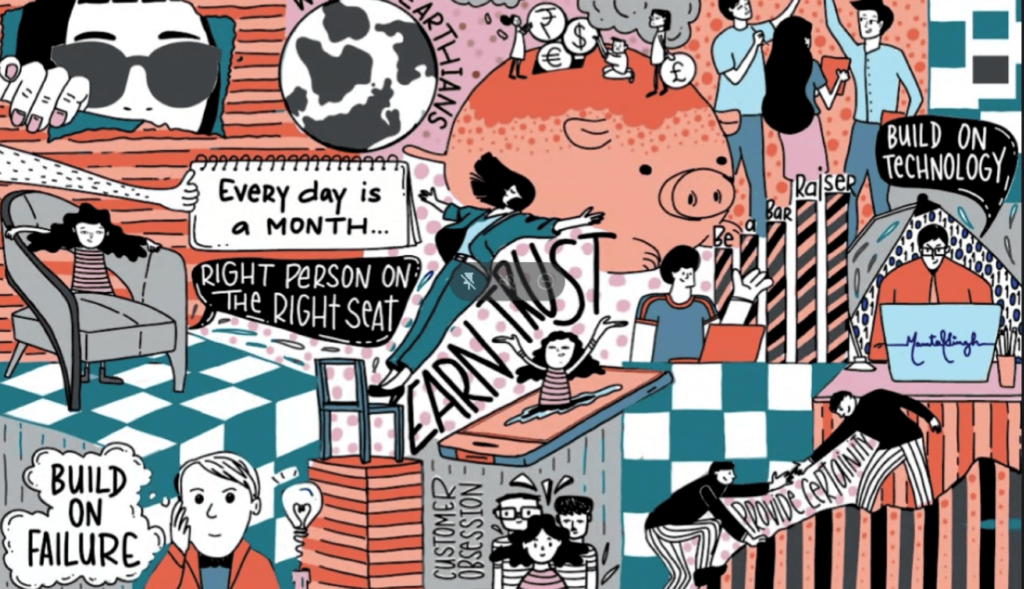


The workplace is evolving at an unprecedented pace, driven by digital transformation, automation, and shifting workforce expectations. The constant organizational transformation requires continuous learning to become essential for all organizations. Companies that create environments that promote continuous learning will excel in the future work environment since they provide employees with skills and agility that ensure their competitiveness.
The Importance of Lifelong Learning in the Digital Era
Multiple technical skills reach obsolescence in less than half of all workers’ employment time spanning 2.5 to 5 years according to scientific findings. The quick succession of changes in the workforce requires workers to adopt ongoing learning strategies for maintaining their role effectiveness. A LinkedIn Workplace Learning Report shows that 94% of employees choose to remain at companies that provide investment in learning development because it proves continuous learning directly supports workforce retention
Trends Shaping Corporate Learning Post-Pandemic
The post-pandemic era has accelerated several key trends in corporate learning, Let’s have a look:
Personalized, AI-Driven Learning – AI-powered Learning Experience Platforms (LXPs) now deliver personalized learning paths based on employee skills, career goals, and performance analytics. Studies indicate that AI-driven learning increases knowledge retention by 60% compared to traditional methods
Blended and Hybrid Learning Models – Organizations are now replacing standard electronic learning procedures with training content delivered through virtual platforms together with classroom delivery.
Microlearning for Continuous Skill Development: Most employees show a preference for receiving smaller bits of training rather than extended courses.
Soft Skills and Human-Centric Learning: New technology that performs repetitive work has made human abilities related to critical thinking and emotional intelligence along with creativity more important. A recent World Economic Forum (2024) research indicates that skill demands will rise by 40% throughout the upcoming five years.
How Organizations Can Build a Culture of Continuous Learning
Organizations that want to stay competitive should build a work environment which naturally promotes continuous learning. Successful organizations maintain learning as an essential component that runs through their entire corporate framework because learning programs obtain 500% greater employee participation from development programs when top management focuses on learning initiatives. Leaders must both join learning initiatives and actively support programs that enable development opportunities.
- Mentoring programs with on-the-job learning reinforce skills by allowing employees to share knowledge as peers. Research reveals that 87% of workers select learning environments at their place of work that unite official training with management experience.
- Workers become motivated to develop new skills through visible advancement opportunities between their learned capabilities and professional pathways. Staff engagement levels increase by 250% in organizations which create structured learning-to-career development programs.
- Learning institutions that employ analytics for personalizing training achieve a 32% rise in employee performance.
- The implementation of regular feedback systems allows learning to remain related to business goals while maintaining high levels of participant engagement.
So, Organizations must integrate continuous learning into their fundamental business operations while the workplace continues to modify itself. Workforce development investments create personal career advancement and deliver positive business results. Organizations dedicated to ongoing learning development will determine the next era of business by maintaining teams who can adjust to change while staying prepared for current and upcoming challenges.
Source
- https://www.chieflearningofficer.com/2023/10/06/closing-the-skills-gap-is-a-modern-fairytale/
- https://vorecol.com/blogs/blog-what-role-does-artificial-intelligence-play-in-creating-adaptive-training-programs-125545?
- https://hirebee.ai/blog/ai-in-hr-statistics/
- https://www.weforum.org/stories/2024/01/this-is-the-one-skill-everybody-needs-in-the-age-of-ai/?
- https://www.greatplacetowork.com/resources/blog/employee-training-development-benefits-planning#:~:text=A%20good%20training%20program%20not%20only%20enables,them%20a%20stepping%20stone%20into%20new%20opportunities.&text=In%20fact%2C%20in%20our%20survey%20of%20employees,offered%20training%20and%20resources%20to%20develop%20professionally.
- https://hrbrain.ai/blog/career-development-the-ultimate-driver-of-employee-engagement-and-organizational-success/